
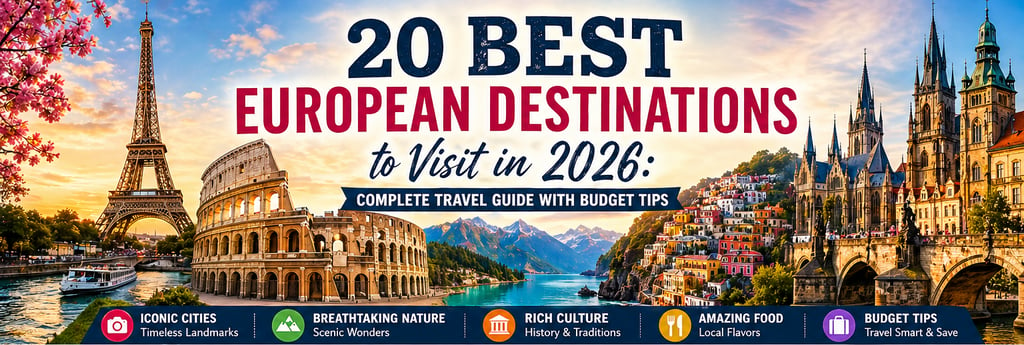
20 Best European Destinations to Visit in 2026: Complete Travel Guide with Budget Tips
edubeatsworld.com
Europe has a timeless charm that continues to captivate travelers year after year—but 2026 is shaping up to be truly special. With restored landmarks, improved connectivity, and a growing focus on sustainable tourism, there’s never been a better time to explore this diverse continent. From the romantic streets of Paris to the breathtaking landscapes of the Swiss Alps, Europe offers something for every kind of traveler. Whether you’re planning a budget-friendly getaway, a cultural deep dive, or a once-in-a-lifetime adventure, the destinations on this list combine iconic highlights with hidden gems. This carefully curated guide not only shows you where to go but also how to travel smart—saving money while maximizing experiences. Keep reading—you might just discover your next dream destination.
#1. Paris, France
Paris is one of the most iconic cities in the world, known for its timeless beauty, art, and romantic atmosphere. From the Eiffel Tower to the Louvre Museum, every landmark reflects history and elegance. The city’s café culture invites you to slow down and enjoy simple pleasures like coffee and croissants. Walking along the Seine River at sunset feels magical. Paris is also a global fashion and culinary capital. Each neighborhood has its own charm, from Montmartre’s artistic vibe to the luxury of Champs-Élysées. It’s a perfect blend of culture, history, and modern lifestyle.
Why go: Art, fashion, food, and that “I’m in a movie” feeling. The benchmark European city trip.
Best time: April-May or Sept-Oct for mild weather and smaller crowds.
Don’t miss: Louvre at night on Fridays, Sacré-Cœur sunset, Seine walk, Sainte-Chapelle, falafel on Rue des Rosiers.
Budget tip: Skip hotel breakfast. A boulangerie croissant + coffee is under €4. Museum Pass pays off if you hit 3+ museums. Eat at local bakeries
1-line itinerary: 3 days = Eiffel + Seine cruise, Louvre + Montmartre, Versailles day trip.
2026 update: Notre-Dame is open again. Free entry slots book out 2 months ahead.
Budget (3 days): ₹1,00,000 – ₹1,60,000 (€1,100–€1,800)
#2. Rome, Italy
Rome is like walking through a living history book, where ancient ruins stand beside modern cafés. The city is home to iconic landmarks like the Colosseum and Vatican City, making it a dream destination for history lovers. Every street offers art, architecture, and authentic Italian food. The atmosphere is lively yet deeply cultural. From tossing a coin in Trevi Fountain to exploring Roman forums, every experience feels timeless. Even simple walks feel magical. Rome blends past and present effortlessly.
Why go: Ancient ruins on every corner, pasta that ruins you for life, and 3000 years of history you can walk through.
Best time: April-May or late Sept-Oct. Summers are brutal and crowded.
Don’t miss: Colosseum at sunrise, Trevi Fountain at 7am, Trastevere at night, Pantheon, Vatican Museums + Sistine Chapel.
Budget tip: Drink from the free nasoni fountains. First Sunday = free state museums. Use combo tickets + avoid restaurants near major attractions.
1-line itinerary: 3 days = Ancient Rome, Vatican + Trastevere, food tour + Borghese Gallery.
2026 update: Colosseum underground tours now include new sections. Book early.
Budget (3 days): ₹90,000 – ₹1,40,000 (€1,000–€1,500)
#3. Barcelona, Spain
Barcelona offers a perfect mix of beach life and artistic brilliance. The city is famous for Antoni Gaudí’s unique architecture, especially the Sagrada Familia. Its streets are vibrant with music, food, and culture. You can explore historic Gothic quarters or relax by the Mediterranean Sea. Tapas culture makes food exploration exciting and affordable. The nightlife is energetic and diverse. Barcelona feels youthful and creative. It’s ideal for both relaxation and exploration.
Why go: Gaudí’s wild architecture, beach + city combo, tapas, and nightlife that starts at midnight.
Best time: May-June or September. July-August is hot, packed, and pricey.
Don’t miss: Sagrada Família, Park Güell, Gothic Quarter, Barceloneta beach, sunset at Bunkers del Carmel.
Budget tip: Menu del día lunch deals are €12-15 for 3 courses. T-10 metro card beats single tickets. Buy metro passes and eat at local tapas bars.
1-line itinerary: 4 days = Gaudí day, Gothic + Born, Montjuïc + beach, Montserrat day trip.
2026 update: Sagrada Família aims to finish main towers by 2026. Scaffolding coming down.
Budget (3 days): ₹85,000 – ₹1,30,000 (€950–€1,400)
#4. London, United Kingdom
London is one of the most dynamic cities in the world, combining royal history with modern lifestyle. From Buckingham Palace to the British Museum, the city offers endless attractions. It is also a global hub for theatre and shopping. The multicultural vibe means you can experience cuisines from around the world. Walking along the Thames gives stunning views of iconic landmarks. The city is fast-paced yet deeply historic. Every visit feels different. London never runs out of things to do.
Why go: Free world-class museums, West End shows, pubs, and neighborhoods that feel like different cities.
Best time: May-June or September. December for Christmas lights. Avoid school holidays.
Don’t miss: British Museum, Tower of London, Borough Market, Sky Garden free view, walk South Bank.
Budget tip: Most major museums are free. Use contactless for daily tube fare caps. Pret sandwiches save lunch money. Oyster card for transport.
1-line itinerary: 4 days = Westminster + South Bank, Museums + Covent Garden, Tower + Shoreditch, day trip to Oxford or Windsor.
2026 update: Elizabeth Line makes Heathrow to central 30 min. New Museum of London opening at Smithfield.
Budget (3 days): ₹1,10,000 – ₹1,70,000 (€1,200–€1,900)
#5. Amsterdam, Netherlands
Amsterdam is known for its charming canals, artistic heritage, and relaxed atmosphere. Cycling is a way of life here, giving tourists a unique local experience. The city’s museums, including the Van Gogh Museum, attract art lovers globally. Its narrow streets and canal houses create postcard-perfect views. Amsterdam is peaceful yet culturally rich. Cafés and markets add to its charm. The city feels intimate and easy to explore. It’s ideal for a slow travel experience.
Why go: Canals, bikes, cozy brown cafes, and art from Rembrandt to Van Gogh. Compact and easy.
Best time: April for tulips, September for light crowds. King’s Day April 27 is wild if you like parties.
Don’t miss: Canal cruise, Anne Frank House, Van Gogh Museum, Jordaan neighborhood, bike ride to Waterland.
Budget tip: I Amsterdam City Card covers museums + transit if you go hard. Otherwise trains are better value. Rent a bike instead of taxis.
1-line itinerary: 3 days = Canals + museums, Jordaan + Nine Streets, Zaanse Schans or Utrecht day trip.
2026 update: New Amsterdam Museum reopens late 2025 after renovation.
Budget (3 days): ₹90,000 – ₹1,40,000 (€1,000–€1,500)
#6. Swiss Alps, Switzerland
The Swiss Alps offer some of the most breathtaking landscapes in Europe. Snow-covered peaks, green valleys, and scenic train rides define this region. Interlaken and Jungfrau are major highlights for adventure lovers. Activities like skiing, hiking, and paragliding attract global tourists. The environment is clean, peaceful, and highly organized. Every viewpoint looks like a postcard. It’s perfect for nature lovers and photographers. The experience feels luxurious and refreshing.
Why go: Postcard mountains, cleanest air, lakes, and trains that run like clocks. Best hiking in Europe.
Best time: June-Sept for hiking, Dec-March for skiing. Shoulder months = cheaper but some lifts close.
Don’t miss: Jungfraujoch, Lauterbrunnen Valley, Oeschinensee lake, Glacier Express, fondue in a mountain hut.
Budget tip: Swiss Travel Pass is pricey but covers scenic trains + museums. Grocery stores like Coop beat restaurant prices.
1-line itinerary: 5 days = Lucerne, Interlaken base, Jungfrau day, Bernese Oberland hikes, boat on Lake Brienz.
2026 update: New Grindelwald-First cable car cuts hike time to Bachalpsee in half.
Budget (3 days): ₹1,40,000 – ₹2,20,000 (€1,600–€2,400)
#7. Norwegian Fjords, Norway
Norwegian Fjords are among the most dramatic natural landscapes in the world. Deep blue waters surrounded by steep cliffs create unforgettable views. Cruises through Geirangerfjord are a major highlight. The region offers peaceful escapes away from busy cities. Hiking trails provide panoramic scenery. The air feels fresh and pure. It’s a paradise for nature lovers. The beauty here feels untouched and surreal.
Why go: Vertical cliffs, deep blue water, tiny villages. Most dramatic scenery in Europe.
Best time: June-Aug for midnight sun + hiking. May + Sept for fewer tourists. Winter for Northern Lights up north.
Don’t miss: Geirangerfjord by ferry, Pulpit Rock, Flåm Railway, Lofoten Islands, stay in a rorbu cabin.
Budget tip: Norway is expensive. Cook your own food, drink tap water, use “Norway in a Nutshell” for bundled transit. Book ferries and stays early.
1-line itinerary: 5 days = Bergen → Flåm → Aurland → Balestrand → return via express boat.
2026 update: Bergen-Oslo night train has new sleeper cabins with showers.
Budget (4 days): ₹1,50,000 – ₹2,30,000 (€1,700–€2,500)
#8. Dolomites, Italy
The Dolomites are known for their dramatic peaks and peaceful alpine environment. This region is perfect for hiking and photography. Lakes like Lago di Braies add to its beauty. The mountains glow beautifully during sunrise and sunset. Small villages offer authentic experiences. It’s less crowded compared to Swiss Alps. Nature feels raw and accessible. Ideal for peaceful retreats.
Why go: Jagged limestone peaks, alpine meadows, and Italian food with Austrian influence. UNESCO and unreal.
Best time: June-Oct for hiking. July-Aug is busiest. Dec-March for ski resorts like Cortina.
Don’t miss: Seceda ridgeline, Tre Cime di Lavaredo loop, Lago di Braies, Alpe di Siusi, rifugio lunch.
Budget tip: Stay in Ortisei or Bolzano and bus into the mountains. Rifugios offer cheap dorm beds + huge dinners. Stay in budget guesthouses.
1-line itinerary: 4 days = Val Gardena base, Seceda + Alpe di Siusi, Tre Cime hike, Lago di Braies + drive.
2026 update: Cortina hosting 2026 Winter Olympics. Book early if going Jan-Feb 2026.
Budget (3 days): ₹90,000 – ₹1,40,000 (€1,000–€1,500)
#9. Scottish Highlands, United Kingdom
The Scottish Highlands are famous for their rugged landscapes and historic charm. You’ll find castles, lochs, and scenic drives everywhere. Isle of Skye is a major attraction. The region feels mysterious and cinematic. It’s perfect for road trips and photography. The culture is rich with folklore and tradition. Nature dominates the experience. It’s peaceful yet dramatic.
Why go: Lochs, castles, moody mountains, whisky, and more space than people.
Best time: May-June for dry weather and midges not yet at full strength. Sept for fall colors.
Don’t miss: Glencoe, Isle of Skye, Eilean Donan Castle, Loch Ness, whisky distillery in Speyside.
Budget tip: Rent a car. Buses are limited. Hostels + self-cater to save. Midges spray is non-negotiable in summer. Travel in groups to split car costs.
1-line itinerary: 5 days = Edinburgh → Glencoe → Skye 2 days → Loch Ness → back via Cairngorms.
2026 update: New NC500 signage and EV chargers make the North Coast 500 road trip easier.
Budget (4 days): ₹1,00,000 – ₹1,60,000 (€1,100–€1,800)
#10. Plitvice Lakes National Park, Croatia
Plitvice Lakes is famous for its cascading waterfalls and turquoise lakes. Wooden pathways allow visitors to walk across stunning landscapes. The park feels like a natural wonderland. It is one of Europe’s most beautiful national parks. The environment is clean and protected. Each section offers unique views. It’s perfect for nature photography. The experience is peaceful and refreshing.
Why go: 16 terraced lakes + hundreds of waterfalls connected by boardwalks. Looks fake in photos.
Best time: May-June or September. July-Aug = crowds + parking chaos. Winter = frozen falls if you’re lucky.
Don’t miss: Upper + Lower lakes circuit, Veliki Slap big waterfall, boat across Kozjak lake.
Budget tip: Stay in nearby Slunj or Korenica for half the price of park hotels. Enter after 3pm for cheaper tickets + fewer people. Visit early morning to avoid crowds.
1-line itinerary: 1 full day = Route C or H to see both upper and lower lakes.
2026 update: Online timed tickets now mandatory year-round. No gate sales.
Budget (2 days): ₹60,000 – ₹1,00,000 (€700–€1,100)
#11. Prague, Czech Republic
Prague is often called a fairytale city because of its stunning architecture. The Old Town Square and Charles Bridge are iconic. The city feels romantic and historic. It is also very affordable compared to Western Europe. Cafés and street music add charm. Every street looks photogenic. The atmosphere is calm yet lively. Perfect for cultural travel.
Why go: Best-preserved medieval old town in Europe, cheap beer, and fairytale vibes.
Best time: April-May or September. December markets are magical but cold.
Don’t miss: Charles Bridge at sunrise, Prague Castle, Old Town Square Astronomical Clock, Vyšehrad, beer halls.
Budget tip: Beer is cheaper than water. Trams are €1.50 and cover everything. Lunch menus outside Old Town = €8. Affordable food and public transport.
1-line itinerary: 3 days = Old Town + Castle, Jewish Quarter + Vltava cruise, day trip to Český Krumlov.
2026 update: New airport express train to city center cuts transit to 25 min.
Budget (3 days): ₹70,000 – ₹1,10,000 (€800–€1,200)
#12. Budapest, Hungary
Budapest is famous for its thermal baths and nightlife. The city is divided by the Danube River into Buda and Pest. Historic buildings and modern culture blend beautifully. The Parliament building is a major highlight. Night views are stunning. The ruin bars offer unique experiences. It’s lively yet affordable. A great mix of relaxation and fun.
Why go: Thermal baths, ruin bars, grand architecture, and prices that feel like 2010.
Best time: May-June or September. August is hot. December markets + baths in snow are great.
Don’t miss: Széchenyi Baths, ruin bar Szimpla Kert, Fisherman’s Bastion sunrise, Danube night cruise, caving under city.
Budget tip: Public baths are €20 vs spa hotels €80. Buy transit passes. Dinner cruises are tourist traps, do public ferry instead. Use bath passes and public transport.
1-line itinerary: 3 days = Buda Castle + baths, Pest + ruin bars, day trip to Eger or Szentendre.
2026 update: Chain Bridge fully reopened to pedestrians after renovation.
Budget (3 days): ₹70,000 – ₹1,10,000 (€800–€1,200)
#13. Lisbon, Portugal
Lisbon is known for its colorful streets and historic trams. The city sits on hills, offering stunning viewpoints. The coastal vibe makes it relaxed and scenic. Food like pastel de nata is a must-try. The culture is warm and welcoming. It’s less expensive than many European capitals. The vibe is artistic and lively. Perfect for a relaxed city break.
Why go: Hills, trams, tiles, pastel de nata, and Atlantic light. Feels laid-back but never boring.
Best time: March-May or Sept-Oct. Summers get hot and cruise-ship busy.
Don’t miss: Tram 28, Alfama + miradouros, Belém + Jerónimos Monastery, LX Factory, day trip to Sintra.
Budget tip: Lisboa Card covers transit + Sintra train + 39 attractions if you stack it. Bifana sandwiches = €3. Buy day passes for trams.
1-line itinerary: 4 days = Alfama + Baixa, Belém + LX Factory, Sintra day, Cascais or Setúbal day.
2026 update: New high-speed rail to Porto cuts trip to 1h15min.
Budget (3 days): ₹80,000 – ₹1,20,000 (€900–€1,300)
#14. Kraków, Poland
Kraków is rich in history and medieval charm. The Old Town is beautifully preserved. It offers deep cultural experiences, including historical tours. The city is peaceful and educational. Food and stay are very affordable. It’s less crowded than Western Europe. Ideal for meaningful travel. The atmosphere is calm and reflective.
Why go: Europe’s largest medieval market square, heavy history, and one of the best value cities left.
Best time: May-June or September. December markets are top-tier.
Don’t miss: Wawel Castle, St. Mary’s Basilica, Kazimierz Jewish Quarter, Wieliczka Salt Mine, Auschwitz-Birkenau day trip.
Budget tip: Milk bars = €5 for huge Polish food. Vodka shots €1. Walkable center means no transit needed. Budget-friendly destination overall.
1-line itinerary: 3 days = Old Town + Wawel, Kazimierz + Schindler Factory, Salt Mine + Auschwitz.
2026 update: New fast train to Warsaw is 2h10min. Kraków Airport expanding.
Budget (3 days): ₹65,000 – ₹1,00,000 (€750–€1,100)
#15. Vienna, Austria
Vienna is known for its classical music and imperial history. The city is elegant and well-organized. Palaces and museums reflect royal heritage. Coffee culture is a big part of life here. It feels sophisticated and calm. Music lovers will enjoy concerts. Architecture is stunning. A cultural hotspot in Europe.
Why go: Music, coffee house culture, imperial palaces, and livability. Classy without being stuffy.
Best time: April-May or September. December for markets + New Year’s concert vibes.
Don’t miss: Schönbrunn Palace, St. Stephen’s Cathedral, Belvedere for The Kiss, Naschmarkt, a classical concert.
Budget tip: Tap water is free and is of good quality. Sausage stands = €4 dinner. Many museums free first Sunday. Use combo tickets for attractions.
1-line itinerary: 3 days = Ringstrasse + museums, Schönbrunn + Prater, day trip to Wachau Valley or Bratislava.
2026 update: Wien Museum fully reopened after major rebuild.
Budget (3 days): ₹90,000 – ₹1,40,000 (€1,000–€1,500)
#16. Ljubljana + Lake Bled, Slovenia
Ljubljana is one of Europe’s greenest capitals. It is clean, quiet, and eco-friendly. Nearby Lake Bled looks straight out of a postcard. The lake with a small island is iconic. The city is small but charming. It’s perfect for slow travel. Nature and city life blend beautifully. Ideal for peaceful vacations.
Why go: Green capital + alpine lake 45 min apart. Feels like Switzerland at half the cost.
Best time: May-June for swimming, December for Christmas markets.
Don’t miss: Dragon Bridge, riverside cafes, Bled Island rowboat, Mala Osojnica viewpoint, Bled cream cake, Vintgar Gorge.
Budget tip: Base in Ljubljana and bus to Bled. Public bikes free first hour. Compact travel reduces transport costs.
1-line itinerary: 3 days = Ljubljana old town, Lake Bled + Vintgar, Škocjan Caves or Postojna Cave.
2026 update: New Ljubljana-Bled bike trail fully complete. E-bikes everywhere.
Budget (3 days): ₹80,000 – ₹1,20,000 (€900–€1,300)
#17. Porto, Portugal
Porto is famous for its wine and riverside charm. The Douro Valley offers scenic vineyard views. The city is colorful and less crowded. Streets are lively and historic. Food and wine experiences are excellent. It’s cheaper than Lisbon. Perfect for relaxed travel. The vibe is warm and authentic.
Why go: Douro River views, port wine, azulejos, and cheaper + less crowded than Lisbon.
Best time: April-June or Sept-Oct. Winter is rainy but moody and cozy.
Don’t miss: Ribeira sunset, Livraria Lello, port caves in Gaia, São Bento Station tiles, Douro Valley day trip.
Budget tip: Eat at tascas for €10. Metro from airport €2.60. Most viewpoints free. Wine tours offer great value.
1-line itinerary: 3 days = Ribeira + Clérigos, Gaia wine day, Douro Valley boat or train.
2026 update: New high-speed line to Vigo, Spain makes 2-country trips easy.
Budget (3 days): ₹75,000 – ₹1,10,000 (€850–€1,200)
#18. Tallinn, Estonia
Tallinn has one of the best-preserved medieval towns in Europe. The cobblestone streets and towers feel magical. It’s compact and easy to explore. The city mixes history with modern tech culture. It’s unique compared to Western Europe. Quiet yet fascinating. Great for short trips. A hidden gem.
Why go: Best-preserved medieval old town in Northern Europe. Feels like a storybook + tech hub.
Best time: May-Sept for long days. December for snow + Christmas market in Town Hall Square.
Don’t miss: Toompea Hill view, Alexander Nevsky Cathedral, city walls, Telliskivi Creative City, day trip to Lahemaa Park.
Budget tip: Tallinn Card covers 40+ sights + transit. Baltic food is hearty and cheap. Free walking tours are great.Walk everywhere to save money.
1-line itinerary: 2 days = Old Town + Toompea, Kalamaja + Seaplane Harbour. Add Helsinki ferry day if you have 3.
2026 update: Rail Baltica construction ongoing but Helsinki-Tallinn tunnel talks heating up.
Budget (2 days): ₹70,000 – ₹1,10,000 (€800–€1,200)
#19. Kotor, Montenegro
Kotor is known for its stunning bay surrounded by mountains. The old town is historic and charming. Hiking to the fortress offers amazing views. It feels like a quieter alternative to famous destinations. The scenery is breathtaking. It’s ideal for relaxing travel. The vibe is peaceful and scenic. Perfect hidden gem.
Why go: Fjord-like Bay of Kotor, walled old town, and mountains dropping into the sea. Balkans beauty without crowds.
Best time: May-June or September. July-Aug = cruise ships. Winter is quiet but rainy.
Don’t miss: Kotor Fortress hike, Our Lady of the Rocks boat, Perast, drive the serpentine road, swim in bay.
Budget tip: Stay in Dobrota or Muo for cheaper than Old Town. Buses along bay = €1.50. Stay outside old town for cheaper stays.
1-line itinerary: 2 days = Kotor Old Town + fortress, Perast + boat. Add Durmitor or Budva with more time.
2026 update: Tivat Airport adding more low-cost routes from EU cities.
Budget (2 days): ₹65,000 – ₹1,00,000 (€750–€1,100)
#20. Seville, Spain
Seville is the heart of Spanish culture with flamenco, history, and architecture. The Alcázar palace is stunning. The city is vibrant and full of life. Orange trees line the streets beautifully. The atmosphere is warm and festive. Food culture is rich with tapas. It feels authentic and lively. Perfect cultural destination.
Why go: Flamenco, Moorish architecture, orange trees, and tapas culture. Andalusia at its most intense.
Best time: March-May or October-Nov. Summers hit 40°C. Semana Santa and Feria in spring are bucket-list.
Don’t miss: Alcázar of Seville, Plaza de España, Seville Cathedral + Giralda, flamenco in Triana, tapas hop on Calle Betis.
Budget tip: Alcázar free Monday afternoons. Tapas + caña deals €3. Walking city means no transit needed. Tapas hopping is budget-friendly.
1-line itinerary: 3 days = Alcázar + Cathedral, Triana + Plaza de España, day trip to Córdoba or Ronda.
2026 update: New tram line extension connects Santa Justa station to city center better.
Budget (3 days): ₹80,000 – ₹1,20,000 (€900–€1,300)
Travel in 2026 is no longer just about ticking places off a list—it’s about meaningful experiences, smart planning, and discovering destinations that truly resonate with you. These 20 European destinations offer a perfect mix of history, culture, nature, and modern travel convenience. Whether you find yourself exploring the ancient streets of Rome, cruising through the serene Norwegian Fjords, or enjoying the vibrant culture of Barcelona, each journey promises unforgettable memories. With the right planning and budget strategies, Europe can be more accessible than ever. So start mapping your itinerary, set your travel goals, and prepare for an adventure that goes beyond expectations. The question is no longer if you should visit Europe—but which destination will you explore first in 2026?
contact@edubeatsworld.com
© 2024. All rights reserved.